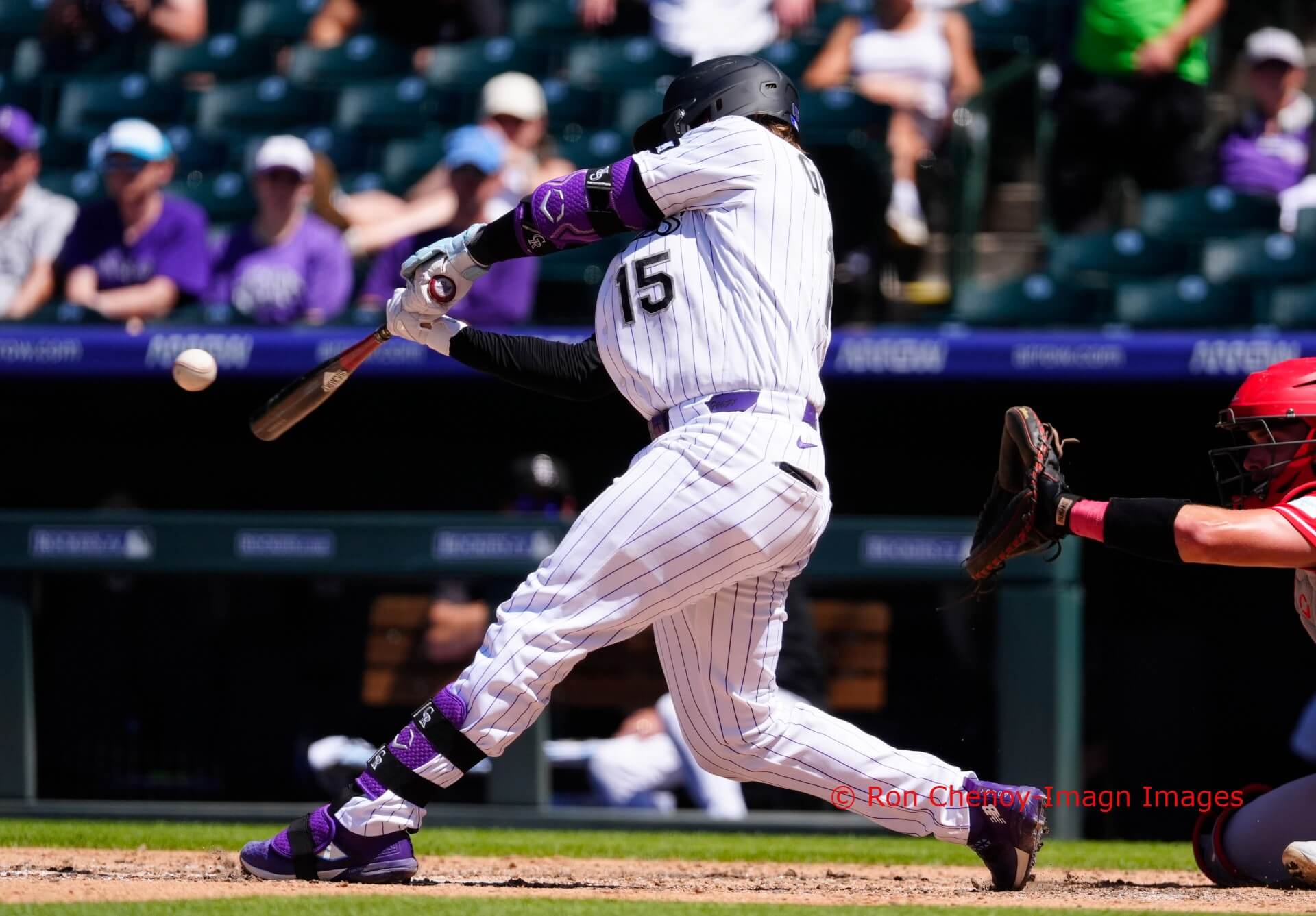

The Colorado Rockies are having one of the worst seasons in franchise history, but Hunter Goodman has been the one consistent bright spot in an otherwise lost year. While Colorado sports betting doesn’t paint a good picture for the Rockies this season, their future might be even different if they trade their best player. With the Yankees reportedly checking in on the All-Star catcher and the August 3 trade deadline approaching, the question facing the front office is simple to ask and much harder to answer: does Colorado sell its best player, or build around him?

The Yankees Have Called
According to ESPN's Jorge Castillo, the Yankees have reached out to the Rockies about Goodman, though it is unclear exactly when that conversation took place. New York's interest is not surprising given the state of its catching room. Austin Wells has struggled badly at the plate this season, and neither Ali Sanchez nor J.C. Escarra has done enough to solidify the position. For a team with World Series aspirations, catcher has become a real weakness, and Goodman is one of the more productive options available anywhere in baseball.
That said, a phone call is a long way from a deal. Bob Nightengale of USA Today has reported that the Rockies currently plan to keep Goodman despite the outside interest, and the asking price would likely be steep enough to keep most suitors at arm's length anyway.
Three Years of Club Control Changes the Math
Unlike a typical rental at the deadline, Goodman is not a pending free agent. He is under team control through the 2028 season, which fundamentally changes how the Rockies should approach any offer. Trading a controllable, productive, homegrown bat in his prime is a very different decision than moving a rental reliever or a soon-to-be free agent.
For a rebuilding team, controllable years are exactly the kind of asset a team wants more of, not less. If Colorado trades Goodman now, it needs a return that reflects three-plus years of team control from a player performing at an All-Star level, not simply a prospect package appropriate for a two-month rental. Anything less would represent the Rockies selling low on an asset they should, in theory, be trying to build around.

His Stats Make the Decision Even Harder
Goodman's production this season is a major reason this is even a conversation. He is coming off a three-home-run game that pushed him to 30 homers on the season, making him the first Rockies player to reach 30 home runs in back-to-back seasons since Nolan Arenado and Trevor Story in 2018 and 2019. He entered the back half of the season with 27 home runs, 51 RBI, a .254 average, and an .863 OPS, numbers that earned him back-to-back All-Star selections.
Notably, his production has not simply been a product of hitter-friendly Coors Field. Dating back to last season, Goodman has actually hit better on the road than at home, with more power, a higher average, and a better OPS away from Denver. That road performance undercuts the argument that his numbers are an altitude mirage, and it strengthens his value in the eyes of rival evaluators.
The Case for Each Side
The case to trade him: Colorado is not competitive now, controllable stars carry the highest trade value, and a strong return could accelerate a rebuild that already includes two catching prospects drafted this summer.
The case to keep him: Goodman is producing at an elite level, he is signed cheaply through 2028, and building around a homegrown All-Star is often more valuable long-term than any prospect package a team receives in return.
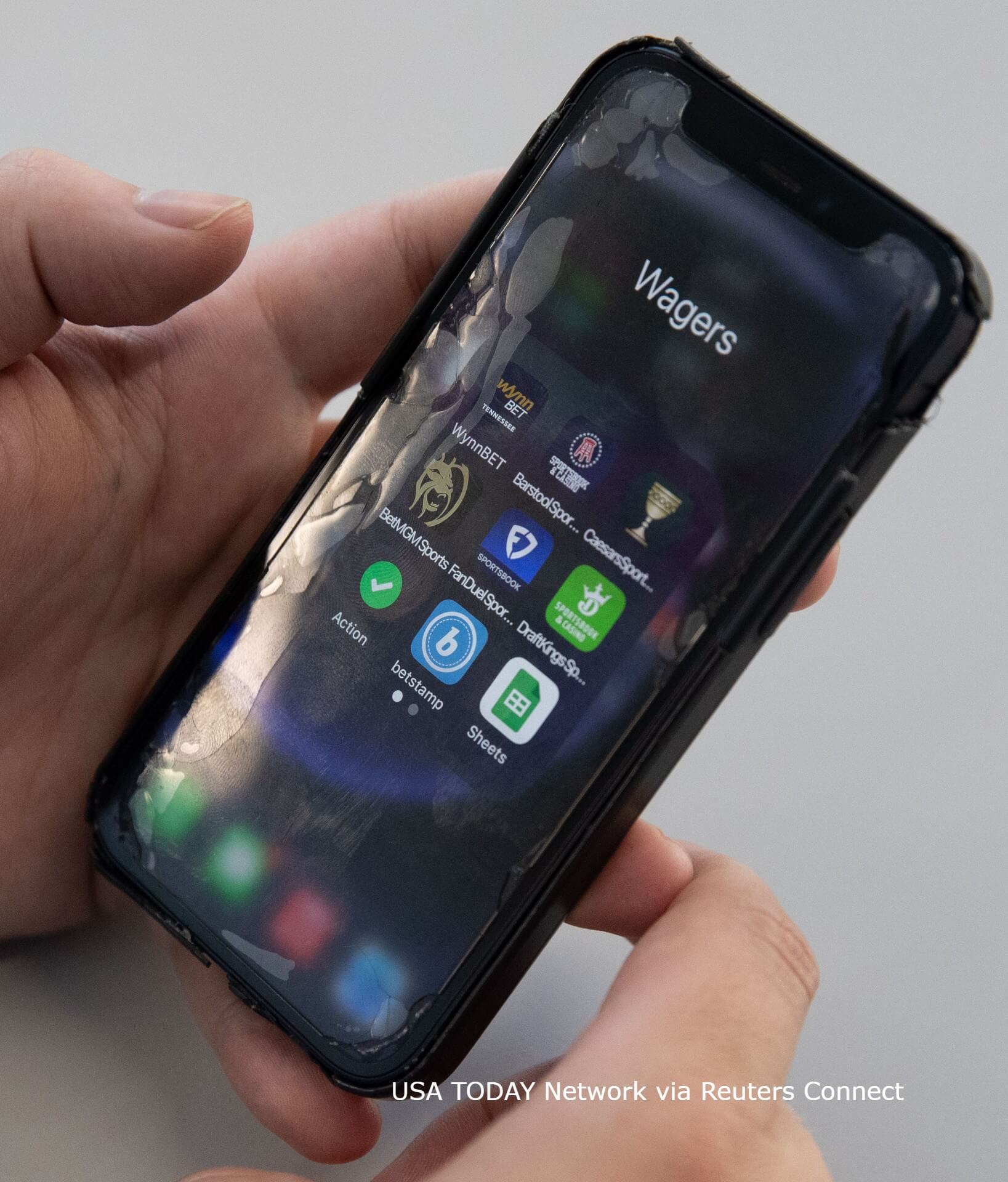
While some Colorado sports betting apps let you predict trades, it does not appear to be in favor of a move. For now, the Rockies appear to be leaning toward keeping their catcher. Whether that holds as the deadline gets closer is the storyline worth watching.