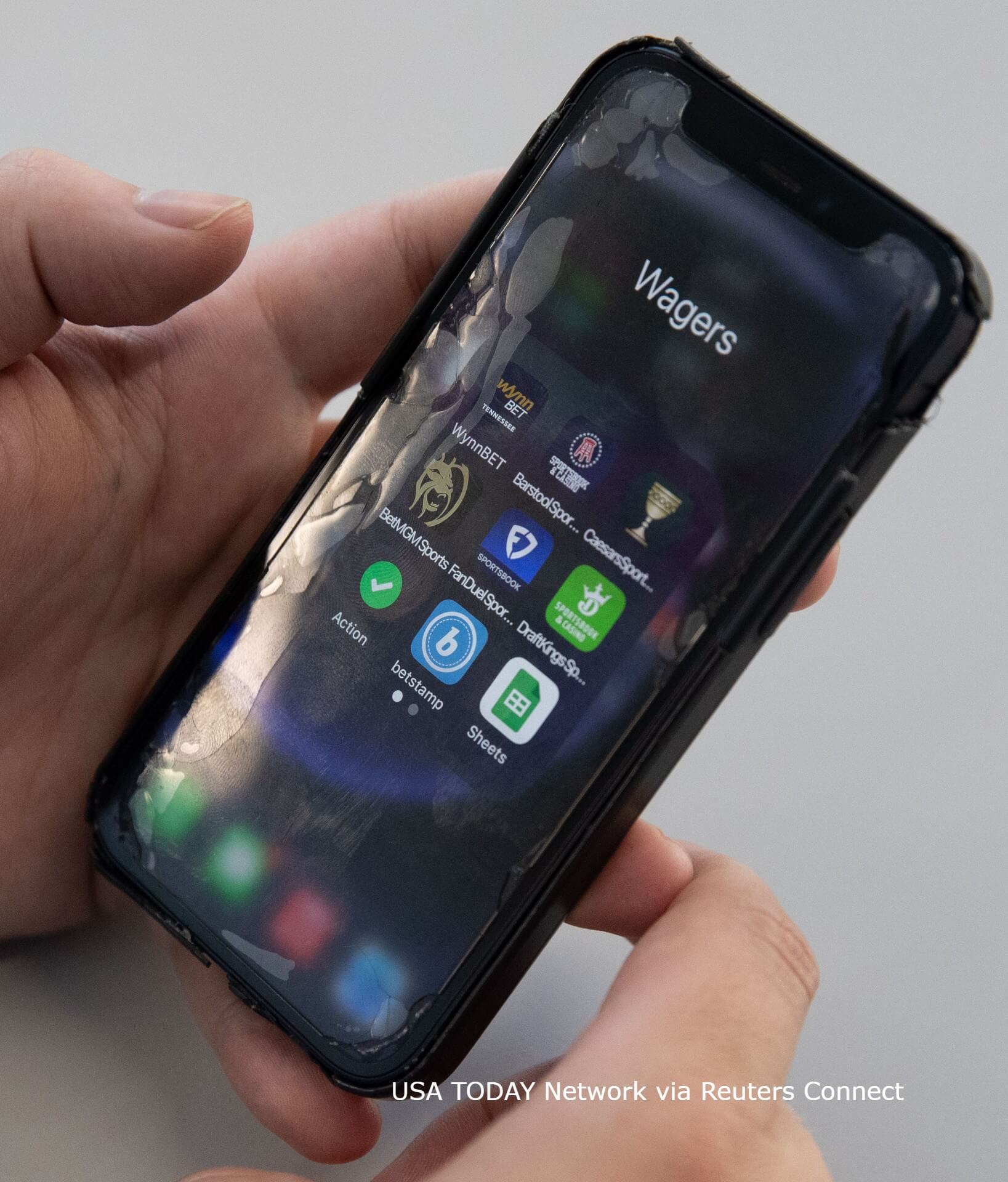

A new healthcare partnership in Colorado is working to improve how individuals access treatment for gambling-related addiction by connecting early intervention services with more advanced mental health care.
The collaboration is designed to reduce delays in treatment while creating a clearer path for patients who need more specialized support as Colorado sports betting participation continues to rise.
By combining remote therapy options with in-person clinical care, the initiative aims to address gaps that often exist between initial counseling and higher-level treatment.
Providers Align Services to Create a Smoother Care Pathway
Through the agreement, Kindbridge Behavioral Health and Axis Integrated Mental Health are coordinating their services to offer a more connected treatment experience.
Under the model, individuals can begin with gambling-focused therapy delivered through telehealth platforms. If symptoms persist or become more complex, patients can be referred more efficiently to advanced psychiatric care, reducing the need to restart treatment with new providers. The integrated approach is designed to simplify what is often a fragmented process while allowing care plans to evolve alongside a patient’s progress.
Kindbridge provides statewide access to gambling addiction therapy through telehealth, while Axis supports patients with in-person psychiatric care and advanced treatments at locations in Denver, Aurora, Boulder, and Westminster.
Growing Colorado Sports Betting Market Drives Demand for Support
Colorado’s sports betting market has expanded rapidly since its launch, with annual wagering climbing from roughly $2.3 billion in 2020 to more than $6.3 billion in recent years. As participation increases, demand for responsible gambling resources and treatment access is also rising.
Experts continue to stress that gambling disorder is highly treatable when individuals can connect with the appropriate level of care early. However, limited access points and long wait times can create barriers that prevent people from seeking help.
The new partnership is intended to address those challenges by making treatment easier to enter and more responsive as patient needs change.
Expanded Options for Higher-Level Clinical Support
While many patients benefit from therapy alone, others require additional clinical intervention to manage underlying mental health conditions linked to gambling disorder.
For those cases, the partnership provides access to in-person psychiatric services, including medication-assisted treatment and non-invasive therapies aimed at addressing issues such as severe depression, anxiety, and impulse control challenges.
By coordinating care across multiple levels of treatment, the model offers patients a clearer progression of support rather than forcing them to navigate disconnected systems on their own.